Behind the Bench
Magpie Diaries
Notes, stories and reflections from the goldsmith's studio.
Latest Entry · 15 June 2026
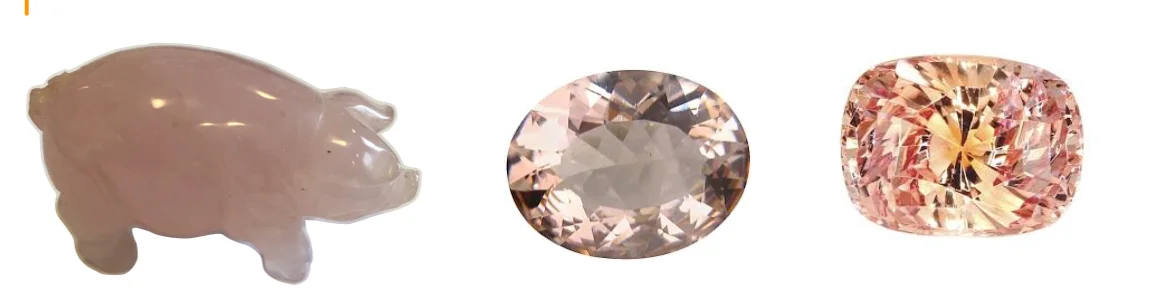
Hey, Pinkie!
While I was bathing in Vitamin D among my pots full of every colour of pink geranium, I got to thinking about pink gems and wondering what else there is out there, apart from tourmaline, which we use all the time. We don’t use a lot of pink stones so I thought I’d try and figure out why not. It turns out there are numerous pink stones, in fact too many to list and talk about, so I decided to do a sort of Antiques Roadshow segment – Basic, Better and Best – and try to shed some light on the world of pink gems.
Read EntryMore Entries
18 May 2026
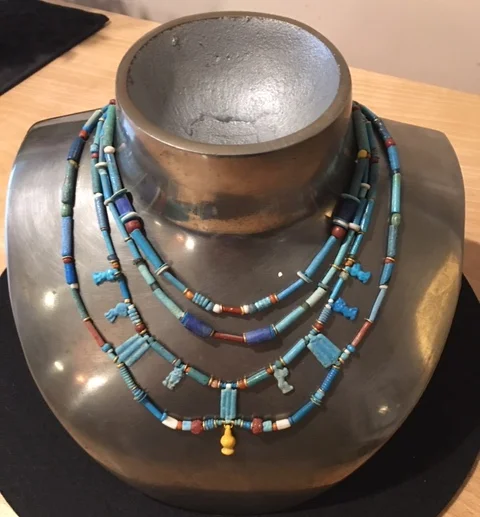
Grasping The Clasp
All jewellery, except rings perhaps, have a functional element along with their obviously aesthetic one; earrings have posts and wires, brooches have pins, and necklaces and bracelets have clasps. There are few things that can be done with ear wires to make them different; they can be longer or thicker or more curved, and become an obvious part of the design, but that’s about it. Brooch pins can’t be seen so are generally purely functional, but clasps are a very different matter. There are hundreds and hundreds of designs of clasps and obviously I can’t cover them all, but thought I’d focus instead on what we favour for our designs. We pay as much attention to the clasps as to every other detail of our work and the results speak for themselves. My favourite by far is this one, inspired by a Roman necklace. It’s light weight, it’s pretty and clever, and it’s really easy to use which has to be the most important part about a clasp, surely!
Read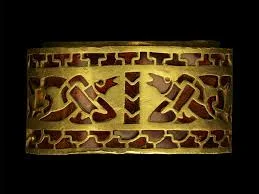
13 April 2026
Give Us A Garnet
When I was about 15 or 16 Mum worked at Elton’s Jewellers in Nairobi. I hung out there a lot and one of the in-house jewellers made me a little pinkie ring with a garnet in it. The value was definately in the gold, but I chose this stone because I loved it – a purply-pink almandine garnet. Three years later I graduated to my much more expensive and important green Tsavorite garnet engagement ring (see Where it all began) but I didn’t realise how much I loved garnets until I started working with Polly and we began buying some serious stones, including garnets. It stands to reason that eventually the magpie in me would need to know more about these delicious gems.
Read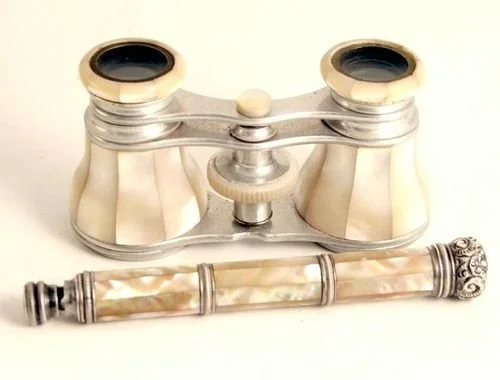
18 March 2026
From Pearls to St. Pancras
For as long as I can remember I’ve had a Mother of Pearl fish like this swimming around in my various boxes; I didn’t know what it was or where it came from and then when I came across it the other day I decided to try and find out. It turns out it’s a Chinese gaming chip, and the search for information about this lead me to reading more about Mother of Pearl in general. Mother of Pearl – or nacre (pronounced NAY-ker) is the iridescent lining of certain mollusks, like pearl oysters, fresh water mussels, abalone, turban snails and large top snails, mainly. These clever little creatures create nacre to protect their soft flesh from parasites and debris that would damage them, ultimately forming a pearl. It is generally thought that it’s a grain of sand in the shell that causes this process but in fact sand seldom gets into a mollusk shell and can quite easily be expelled, whereas little parasites or bits of shell or other organic matter are harder to expell so the mollusk protects itself from the intruder. Nearly all pearls now are cultured pearls, and this is done by inserting a little bead into the mollusk which then creates a pearl around it. There’s no guarantee that the pearl will grow into a saleable gem, but lining of the shell - mother of pearl - is a naturally occurring event in all these types of shells which makes it more abundant and therefore a lot cheaper than pearls. It came as a surprise to archaeologists when they discovered Mother Of Pearl had been used extensively in decorating the interior of Roman villas in Spain because this had not been found in other excavations. Mother of Pearl is very strong but is easy to cut and carve which makes it a wonderful material to work with in all things decorative. The Egyptians used it in their highly prized silver work, decorating spoons and plates with it; during the Chinese Ming dynasty nacre was used extensively, mostly for wonderfully elaborate and beautiful carving (and gaming chips…) and the native North Americans and Australian aboriginals used mother of Pearl for trading, but the oldest piece of mother of pearl ever found has been carbon dated to Neolithic times in the Arabian Peninsular.
Read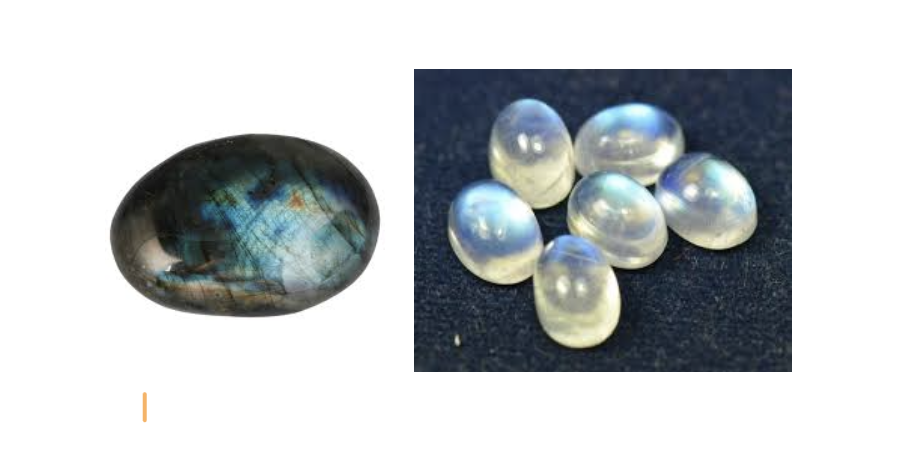
14 February 2026
Celestial Cousins
I was going through my archive photos the other day, looking at pictures of things we have made in the past and searching for inspiration for new designs, and I noticed a recurring theme in the stones we use — namely labradorite. I do not know anything about it, except that we love it, so I started doing some research and ended up discovering that labradorite and another of our favourite stones, moonstone, are from the same family: feldspar. So why not put them together in a little bite of knowledge?
Read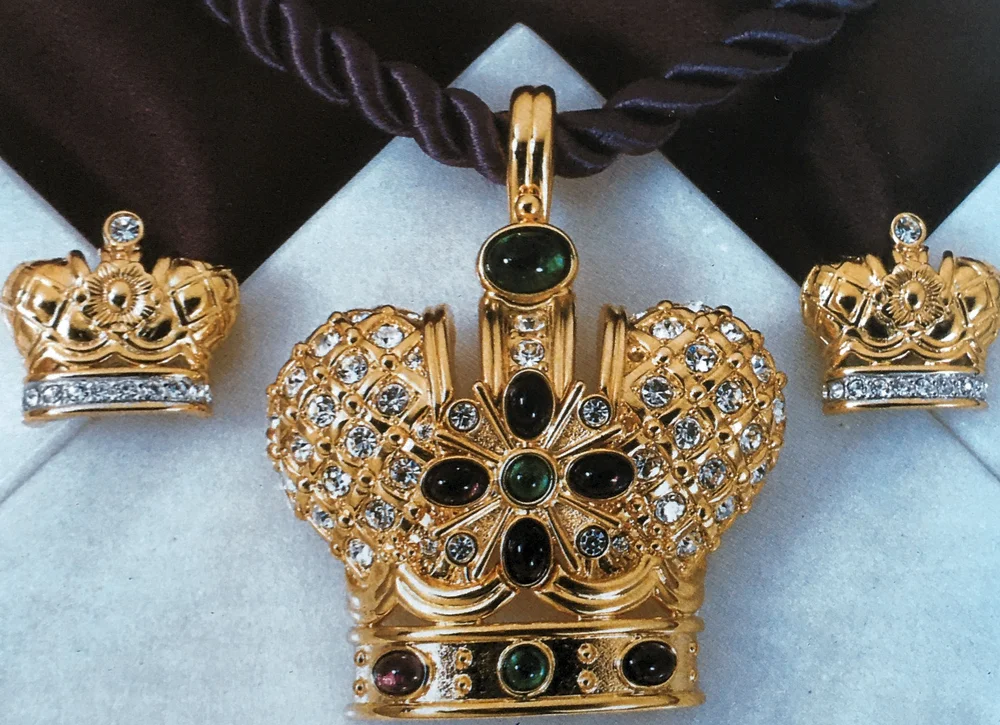
15 January 2026
Faux, Not Fake.
A while ago I had to wait ages for a particular new piece of jewellery — but this time it was costume jewellery. How can this be, you cry! Well, Polly had a pair of costume jewellery earrings that she absolutely loved, so she had them copied in gold and with real gems — peridot and pearls — and I inherited the faux pair because I love them too. In anticipation of the new jewels, I started reading about costume jewellery, and saying I will tell you all about it in one article is like saying I will explain the universe in one sentence. So instead, I will take you on a gallop through the centuries and hope it is a fun ride.
Read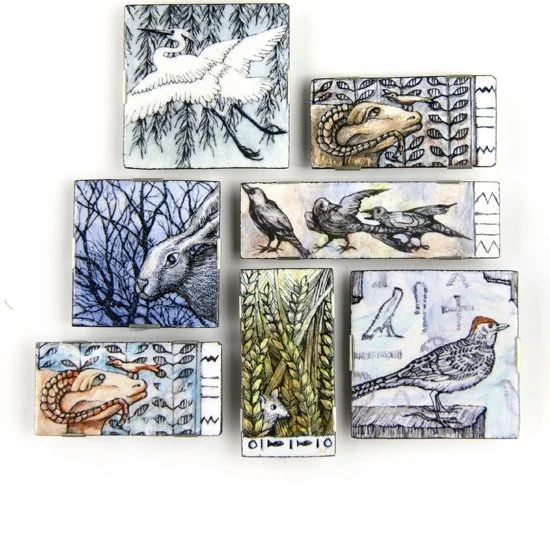
14 November 2025
Enamel- All Day Long
Ever since my fledgling magpie days — quite a long time ago now — I have been captivated by enamelling in jewellery, probably subconsciously ignited by a thimble Polly made when she was a student and I was at junior school. The colours, the light, the intricacy — everything. The idea of painting a beautiful picture with glass really caught my imagination, and nothing has changed. I still love it, and one day I am going to learn how to do it, but for now I just have to make do with enjoying the fruits of other people's labours. But that is not nothing.
Read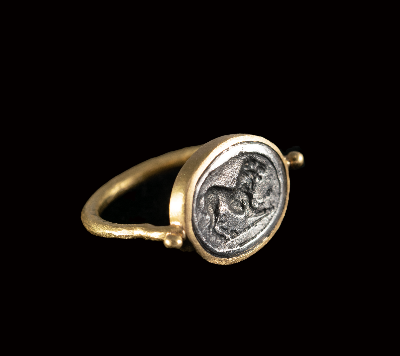
15 October 2025
Cuttlefish Creation
Polly's work has been greatly influenced by the ancient jewellers — Mycenaean, Egyptian, Persian and of course Roman and Greek — and I inherited this passion from her. Recently we have been drawn to Roman design quite a lot, in particular intaglio work. The history of intaglio is a whole story in itself, but I just want to touch on it briefly with this little ring.
Read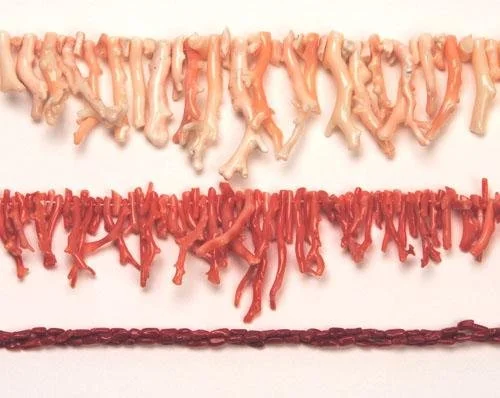
15 September 2025
Calling All Coral Lovers!
When I was doing my research for Hey, Pinkie! — a blog about pink gems — I came across a pot of coral beads, the palest of which caught my eye, and Polly told me it is called angel skin. How lovely is that! She also suggested that coral would be a good subject for an article, and of course she is right — it is a fascinating subject.
Read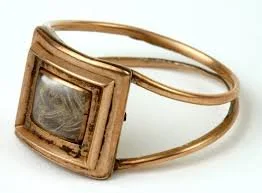
11 August 2025
Back in The Day...
This little brooch — which can also be worn as a pendant — is something I have been familiar with my whole life. It lived in Mum's jewellery box and, though I studied it closely as a young magpie, I never really paid attention to what it is. Then a conversation with Polly reminded me it existed, and out it came from its box to be more closely studied and researched. Is it not astonishing that this tiny, detailed, intricate little picture is made of human hair, all sewn by hand? It seemed such a strange thing to do, and such an archaic idea, that I decided to find out a bit about the why and wherefore of hair jewellery. It is not a long story, but it is an interesting one.
Read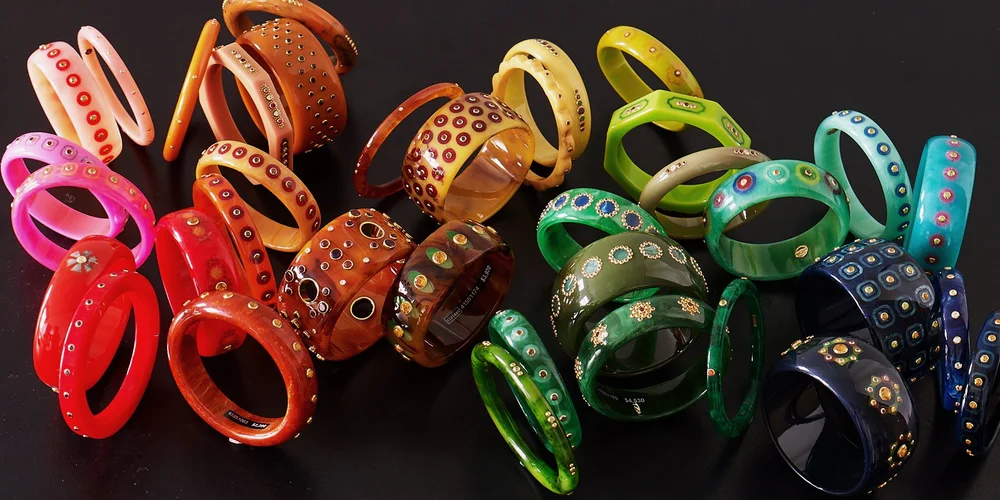
14 July 2025
Anything Goes...
A very clever little magpie niece of mine in Kenya — also a Polly Gasston! — inspired my next idea for research because she takes full advantage of the wonderful tropical wood at her disposal and makes interesting, wearable and unique jewellery with it. It made me think about what people were using for jewellery before the discovery of and passion for silver and gold.
Read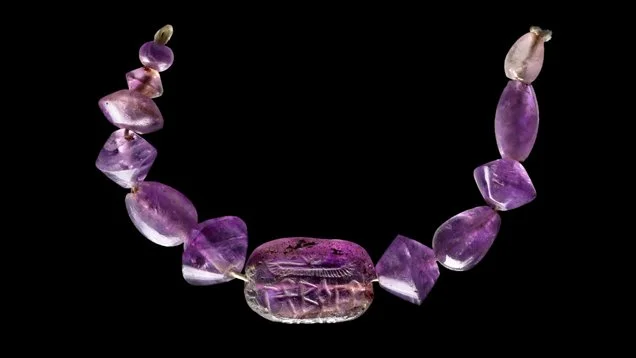
17 June 2025
Amethyst, Any Time.
One of the great features — and there are many to choose from — about Polly Gasston Jewellery is our use of semi-precious stones. They are not always cheap by any means, but they go so perfectly with the yellow metal, and quite a plain stone can be lifted to new heights by 22ct gold. One stone that ticks all the semi-precious boxes is amethyst, and it is one we use regularly and always seem to have in stock. But it has not always been cheap and plentiful.
Read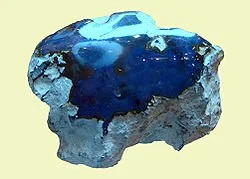
15 May 2025
Amazing Amber
In my history box, which is full of interesting things from my grandparents mostly, I found this photograph of my grandmother, taken about 100 years ago in Entebbe. That is my mother, aged about three, in all her little bare-foot glory. But the other thing that is so important about this photo is the necklace my grandmother is wearing — a long string of amber, highly fashionable at that time. Amazingly, the second photograph, taken on my workbench yesterday, is of this very necklace. I have been aware of this necklace and photograph my whole life, but I have never until now really thought about amber and what its story is.
Read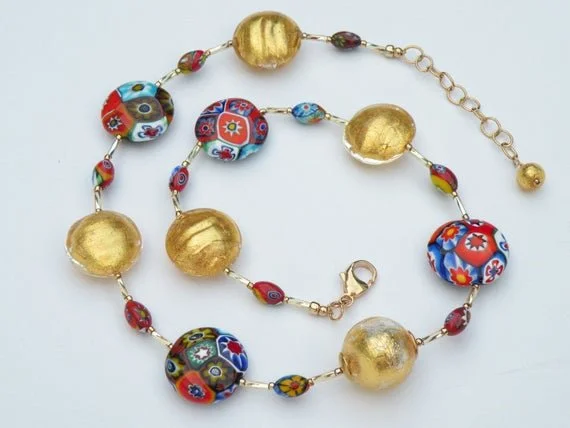
9 April 2025
All Glassy-Eyed
Scrolling through Instagram the other day I saw what I thought was carved glass jewellery. It turns out it was resin, but it got me thinking and wondering about glass jewellery.
Read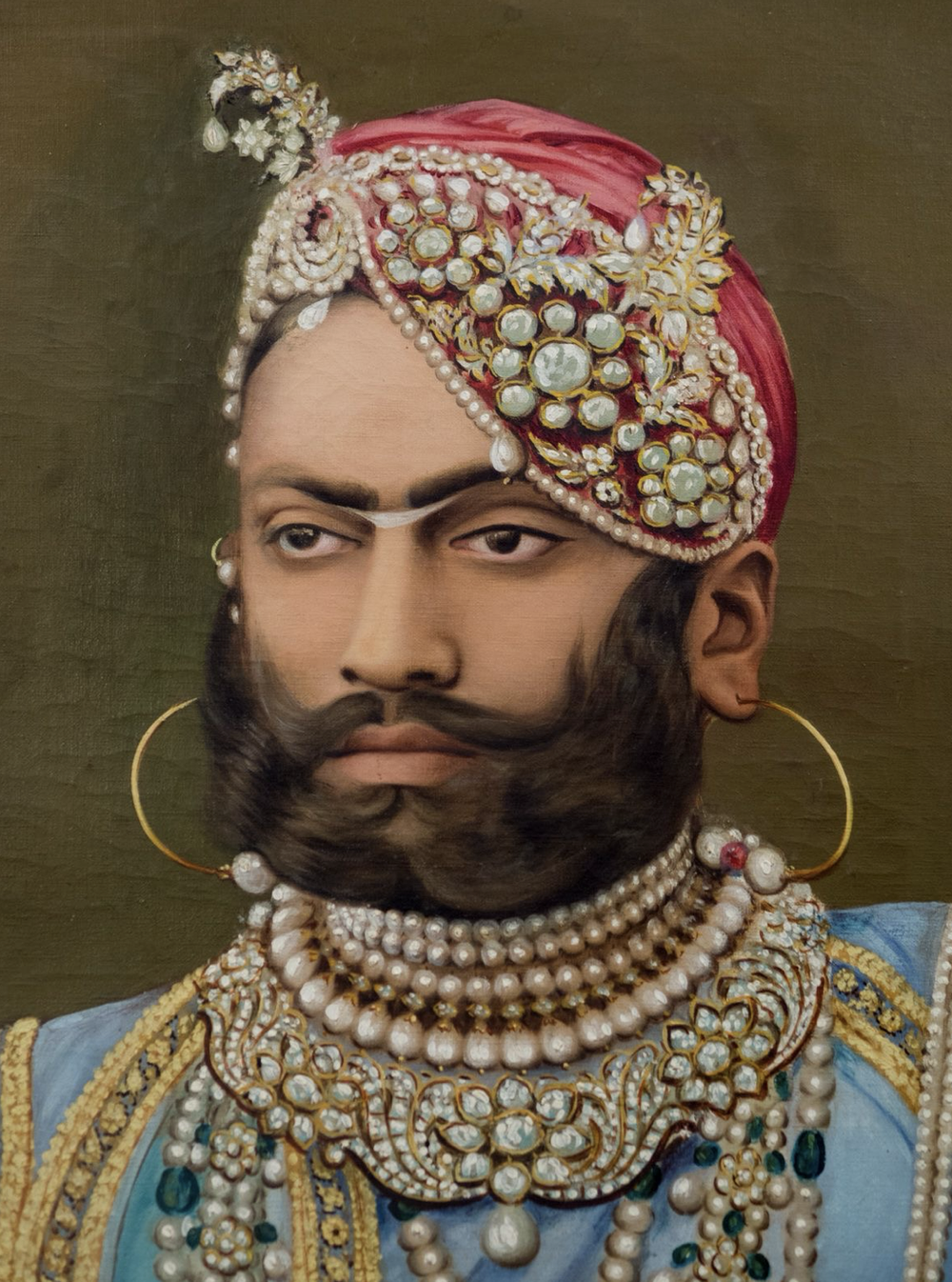
15 March 2025
Ah, Men!
I was prompted to look into the phenomenon of men and jewellery because in a book I am reading, set in ancient Rome, four rings were taken from the hand of a dead senator and dropped in the Tiber. All through the book I read that the Emperor wore a wreath and a huge gold ring, senators wore a gold ring, and slaves and freedmen alike wore wrist cuffs — so at every level of society men wore jewellery almost as much as women did.
Read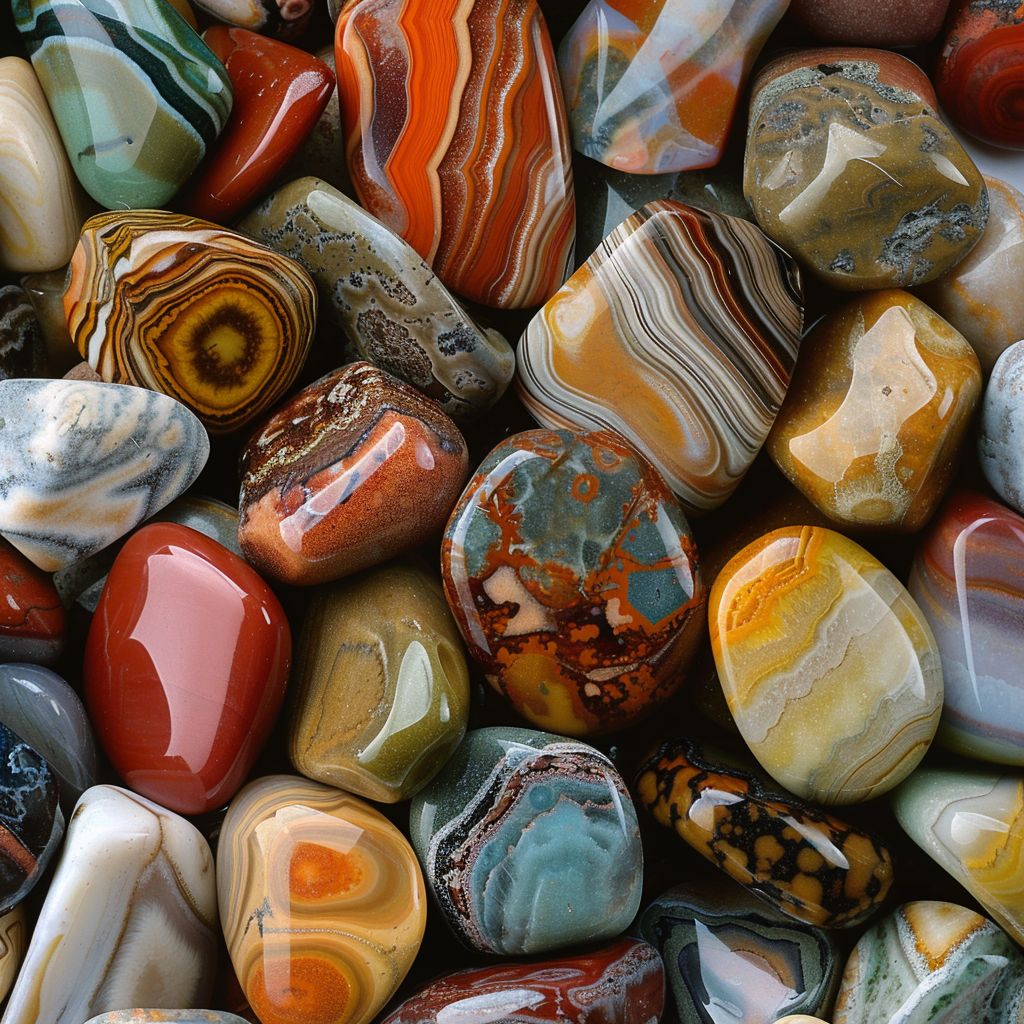
2 March 2025
About Agate... Who Knew?
When we started the company in 2007 we used, out of necessity, a lot of stones that Polly had in stock already from long ago, or we bought quite inexpensive stones to start off with until we saw how it all went. Among these were some flat faceted beads of banded agate and, I confess, at the time whilst I did acknowledge that the patterns were astonishing, the colours were very muted and they did not do much for me. I thought that was all there was to agate — nice but nothing special. Shows what I know.
Read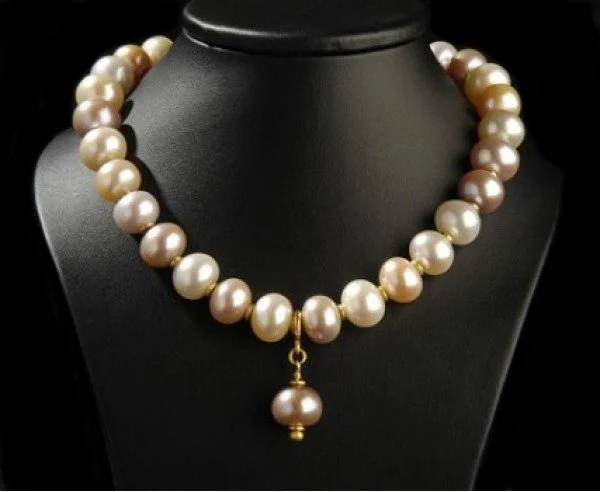
20 February 2025
A Pearl is a Pearl, Right?
We have got so many pearls in the workshop just waiting to be made into something wonderful, and going through them the other day it struck me how different they all are, and yet they are all pearls. A bit like potatoes, really. It took an Irish woman to teach me that not all potatoes are created equal, and now I find that not all pearls are created equal either. I know so little about so much.
Read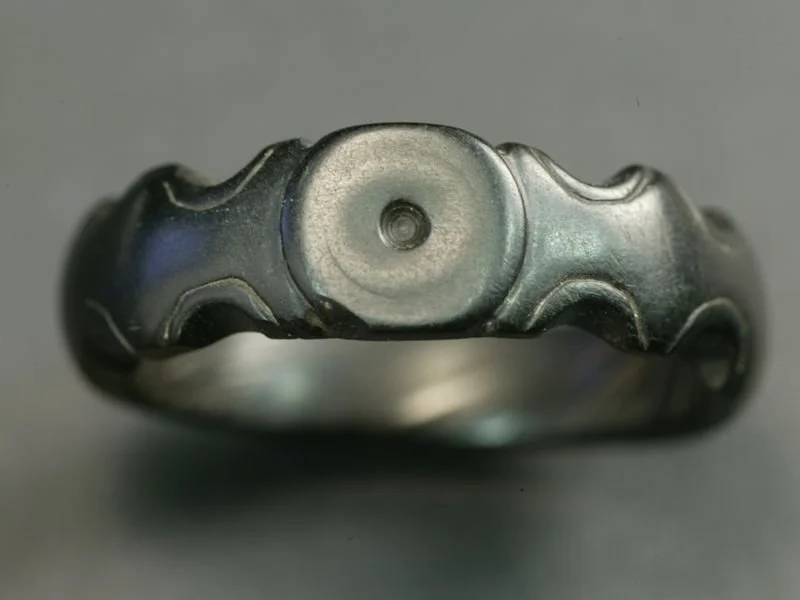
5 February 2025
The Jet Set
The word jet used to conjure up images of clouds flying by below and a gut full of excitement, but not so these days. These days the jet I am thinking about is black and shiny and used in jewellery. I did not know anything about it and wondered whether I could tell you anything you did not already know on the subject. I hope so!
Read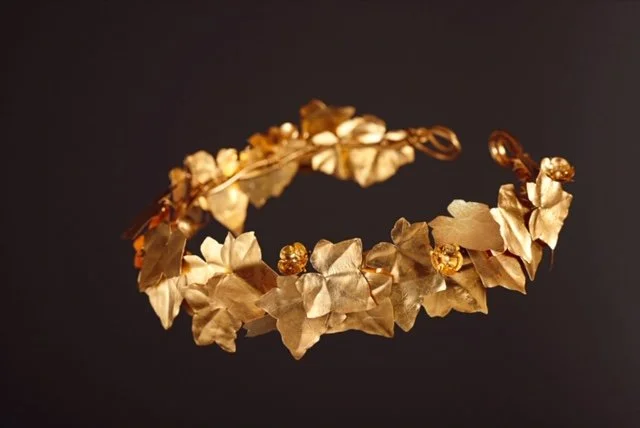
20 January 2025
Good as Gold
In 2012 — the year of the Queen's Diamond Jubilee and the year the Olympics were held in London — Polly was commissioned by the World Gold Council to make a wreath. This was a dream come true because she had always wanted to make one, but as they are not exactly the hottest-selling item in the jewellery world, she had never had a reason to do it. So a labour of love began.
Read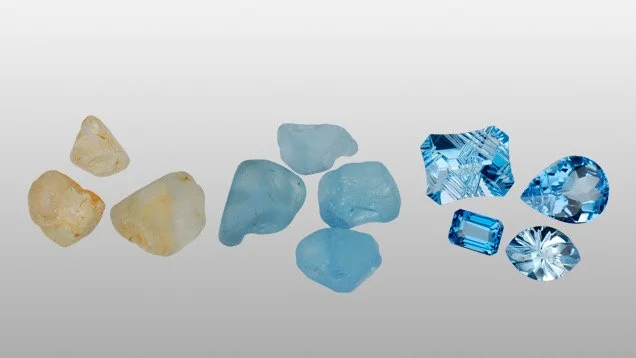
7 January 2025
Diamond in the Rough
Being called a diamond in the rough is actually quite a compliment, because it infers that with a bit of work and a good polish, the end result will be a real gem. It is also the truth about stones, of course. I have watched more than one documentary on mining for gems and I am always impressed that the miners can pick up a chunk of dirt — literally — and go bananas about it, because they can see exactly what it is. I always imagined that gems come out of the ground the colour they are when we buy them all cut and polished. Some do — but not all.
Read